
Cheerios is one of the most trusted and widely consumed breakfast cereals in the world. Families choose Cheerios for its simple ingredients, low sugar options, and heart-healthy image. However, when news of a Cheerios recall appears, it naturally raises concern among consumers. Many people immediately start asking the same question: Is it safe to eat Cheerios right now?
This blog explains the Cheerios recall in a clear and simple way—why recalls happen, which products may be affected, possible health risks, and what consumers should do to stay safe.
What Does a Cheerios Recall Mean?
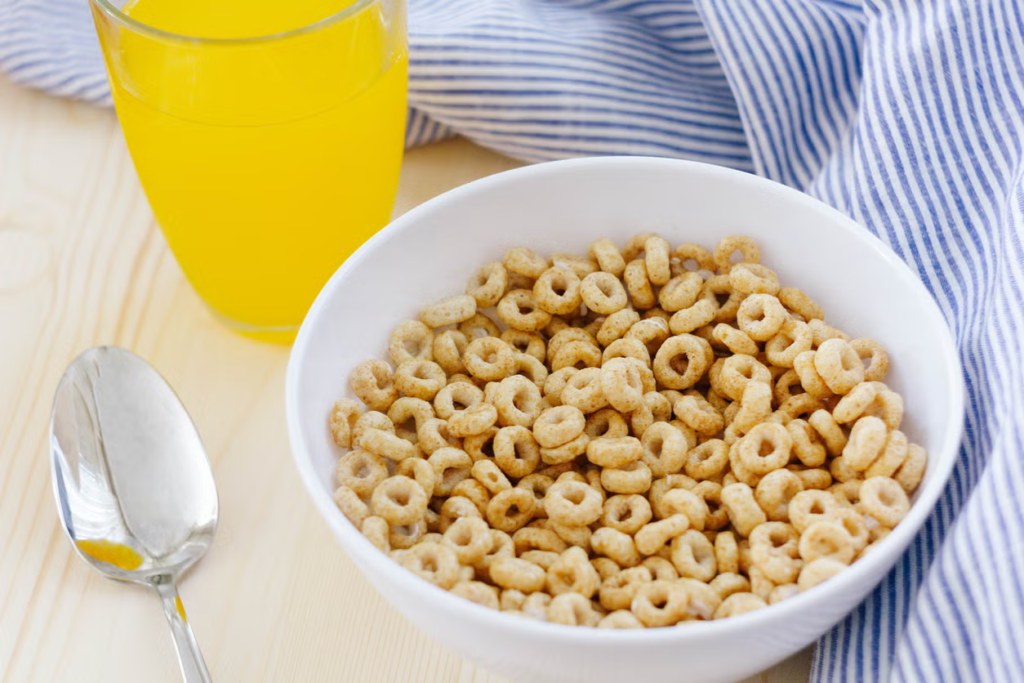
A food recall is a safety step taken by a company or food authority when a product may not meet safety or quality standards. Recalls are meant to protect consumers, not to create panic. In most cases, recalls affect only specific batches or production dates, not the entire product range.
Cheerios recalls are usually precautionary, meaning they are issued to avoid potential risks before they become serious.
Why Are Cheerios Products Recalled?
Cheerios recalls can happen for several reasons. The most common ones include:
1. Undeclared Allergens
This is one of the main reasons for cereal recalls. If a product contains allergens such as wheat, milk, or nuts that are not clearly mentioned on the label, it can be dangerous for people with allergies.
2. Possible Contamination
In rare cases, products may be recalled due to possible contamination during manufacturing or packaging. This is usually done as a preventive safety measure.
3. Labeling or Packaging Errors
Sometimes the cereal itself is safe, but the packaging contains incorrect or missing information, such as wrong ingredient details or nutrition facts.
Which Cheerios Products Are Affected?
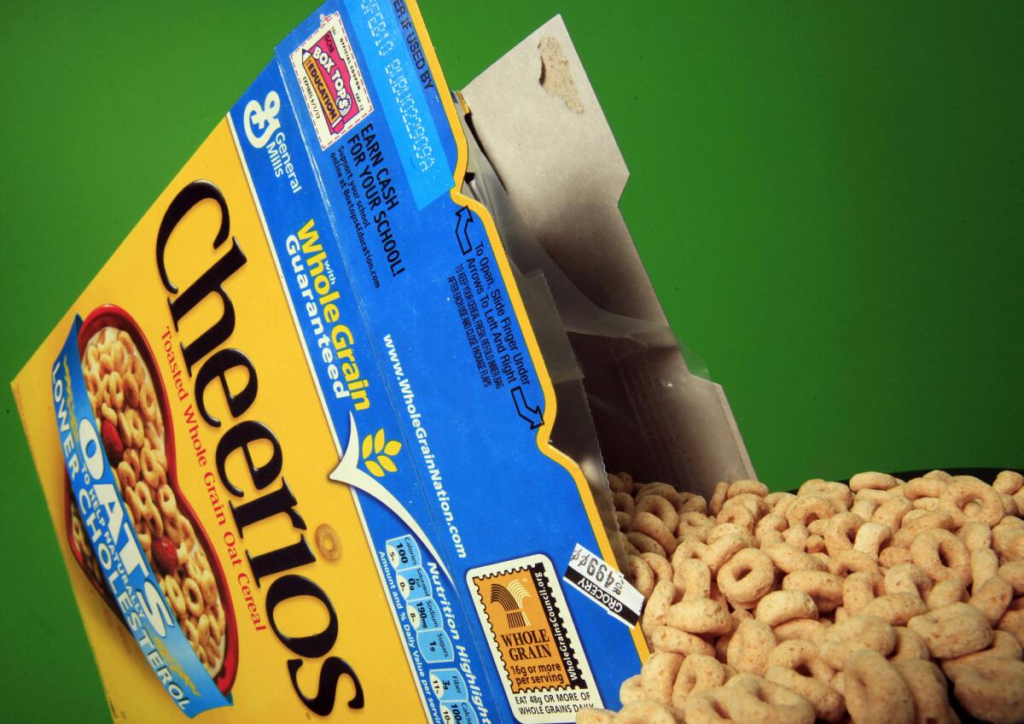
Not all Cheerios products are recalled at the same time. Recalls usually apply to:
- Specific flavors or varieties
- Limited batch or lot numbers
- Products made during certain dates
- Items distributed in specific regions
That’s why it’s important to check your Cheerios box carefully instead of assuming all products are unsafe.
Where to Check Batch Details
Batch numbers and dates are usually printed:
- On the bottom of the box
- Near the barcode
- On the side or back panel
Compare these details with official recall announcements to confirm whether your product is affected.
If you are unsure, it is best to avoid eating the product until you confirm its safety.
Possible Health Risks
For most people, the health risk linked to recalled Cheerios is low. However, some individuals—especially those with allergies—may experience symptoms.
Mild Symptoms May Include:
- Stomach discomfort
- Nausea
- Headache
- Skin irritation
Serious Symptoms (Rare):
- Allergic reactions
- Swelling of lips, face, or throat
- Difficulty breathing
If you or a family member experiences severe symptoms after eating Cheerios, seek medical attention immediately.
What Should You Do If You Have Recalled Cheerios?
If your Cheerios box is part of a recall, follow these steps:
- Stop consuming the product immediately
- Keep the packaging for reference
- Follow the manufacturer’s recall instructions
- Request a refund or replacement, if offered
- Monitor health symptoms, especially for children
Never donate or share recalled food products with others.
How Food Recalls Protect Consumers
While recalls may seem alarming, they actually show that food safety systems are working. Recalls help:
- Prevent potential health problems
- Ensure companies take responsibility
- Maintain trust between brands and consumers
A recall is often a sign of strong safety monitoring, not poor quality.
How to Stay Updated on Cheerios Recall News
To stay informed and avoid misinformation:
- Check official food safety announcements
- Visit the manufacturer’s official website
- Follow reliable news sources
- Avoid trusting unverified social media posts
Keeping the product packaging until the cereal is finished is also a smart habit.
- How to Create the Perfect Bridal Look in 2026: Lifestyle Tips & Ideas
 Your wedding day is one of the most memorable moments of your life, and every bride dreams of looking perfect. In 2026, bridal beauty is not just about heavy outfits and makeup—it’s about confidence, comfort, and a lifestyle that enhances your natural glow. Creating the perfect bridal look now involves a balance of fashion, skincare,… Read more: How to Create the Perfect Bridal Look in 2026: Lifestyle Tips & Ideas
 - The Ultimate Lifestyle Guide to Hair Colour and Hair Care
 Hair colour has become an essential part of modern lifestyle and personal style. Today, people use hair colouring not only to cover grey hair but also to enhance their appearance and express their personality. Whether you choose natural shades like brown and black or trendy tones like burgundy, caramel, or blonde, the right hair colour… Read more: The Ultimate Lifestyle Guide to Hair Colour and Hair Care
 - Eid 2026: Easy Lifestyle Tips for a Happy and Stress-Free Celebration
 Eid is a festival of joy, gratitude, and togetherness. After the spiritual journey of Ramadan, Eid brings families and communities together to celebrate happiness, share meals, and spread kindness. However, the excitement of preparing for the festival can sometimes become stressful with shopping, cooking, and visiting relatives. By following a few easy lifestyle tips, you… Read more: Eid 2026: Easy Lifestyle Tips for a Happy and Stress-Free Celebration
What Parents Should Know
Parents are often more concerned because Cheerios is commonly eaten by children. The good news is:
- Most Cheerios recalls involve low risk
- Only specific batches are affected
- Non-recalled products remain safe
Parents should carefully check batch details and follow recall guidance.
Conclusion
Food recalls are a normal part of the food industry and exist to protect consumers. The Cheerios recall is a reminder to stay alert—not afraid. By staying informed and taking simple precautions, you can continue to enjoy Cheerios safely and confidently.
The information provided in this article is for general informational purposes only. While we strive to keep the content accurate and up to date, we do not guarantee the completeness, reliability, or accuracy of any information related to the Cheerios recall. Food recall details may change over time, and consumers are advised to refer to official manufacturer announcements or food safety authorities for the most current updates.
#CheeriosRecall #FoodRecall #CerealRecall #FoodSafety #CheeriosUpdate #RecallAlert #ConsumerSafety #FoodNews #Anslation #Carrerbook #BreakfastCereal #HealthAlert #ProductRecall #GroceryNews #FamilyHealth #EatSafe #FoodAwareness
1. What does the Cheerios recall mean?
A Cheerios recall means that certain batches of the product may have safety or quality issues. Only specific batches are affected, not all Cheerios products.
2. Why was Cheerios recalled?
Cheerios can be recalled due to undeclared allergens, contamination, or labeling errors. These recalls are precautionary to protect consumers.
3. How can I check if my Cheerios box is affected?
Check the batch number, lot code, and manufacturing date on your box. Compare it with official recall announcements from the manufacturer or food safety authorities.